 SKIP TO CONTENT
Why Winter Rain Creates Complex Insurance Claims in Los Angeles
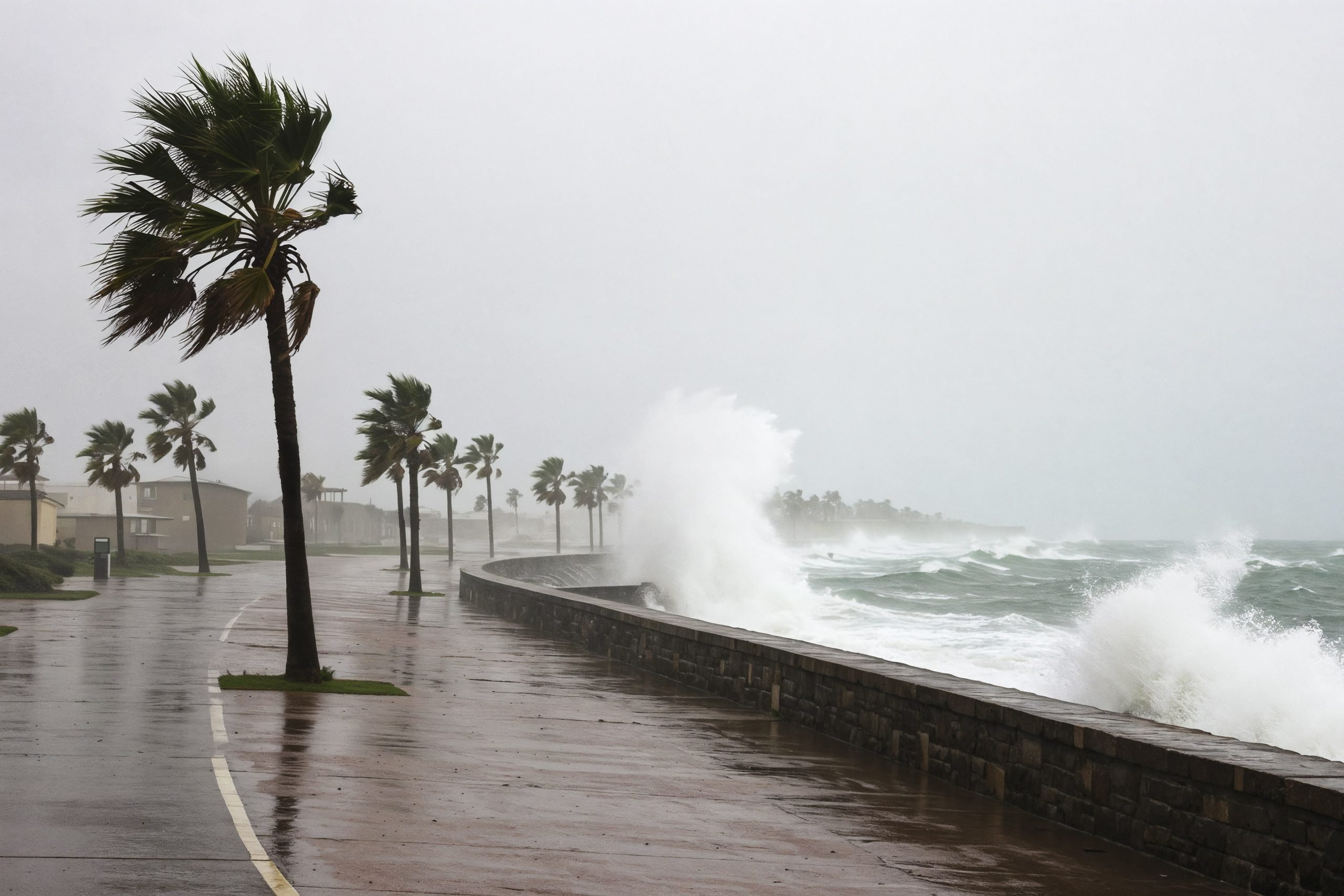
Los Angeles’ reputation for endless sunshine and mild weather often leads homeowners to underestimate the impact of winter storms. Rain can feel like a temporary disruption rather than a serious threat. But when rain does arrive, it often arrives intensely, all at once, and under conditions that create unusually complex insurance claims.
In Los Angeles, rain does not behave like it does in other regions. Instead of steady, predictable precipitation, storms tend to be short, forceful, and concentrated. That combination can push building systems past their design limits, especially when homes are exposed to sudden saturation after long dry periods.
This is why water damage claims following winter storms in Los Angeles are frequently disputed, even when damage appears sudden and storm-related.
What “Rainy Season” Really Means in Los Angeles
Los Angeles’ rainy season typically runs from late fall through early spring, with the heaviest storms most often occurring between December and March. Unlike regions with consistent rainfall, Southern California experiences extended dry stretches followed by heavy storms that deliver large volumes of water in a short window.
This winter has been a clear example of that pattern. According to a report from the Los Angeles Times, downtown Los Angeles recorded more than 14 inches of rain since October, nearly matching the city’s typical rainfall for an entire season. Meteorologists also noted that repeated storm systems left soils saturated across the region, increasing runoff, pressure on structures, and water intrusion risks once storms intensified.
These conditions create a perfect environment for sudden failures.
Why Storm-Related Rain Damage Is Often More Complicated Than It Appears
Rain damage in Los Angeles is rarely limited to a single visible leak. Water often travels through multiple pathways before damage becomes apparent, making it harder to immediately determine origin, scope, and cause.
Roofs, Flashing, and Drainage Overload
Heavy rain can overwhelm roofing systems and drainage components that perform adequately under normal conditions. When rainfall intensity exceeds design assumptions, water can be driven into areas that are otherwise protected during typical weather events.
In homes affected by prior wildfires, heat and smoke exposure can further complicate the picture. Even when fire damage has been addressed, residual impacts to seals, materials, and system tolerances can make structures more vulnerable once heavy rain is introduced.
Water Intrusion Through Walls and Foundations
Wind-driven rain, saturated stucco, and pressure differentials can force moisture into wall assemblies, around windows, and through penetrations that do not normally allow water entry. This type of intrusion often develops behind finished surfaces and can remain hidden during initial inspections.
Hillside and Saturation-Related Impacts
In hillside neighborhoods, saturated soil can overwhelm drainage systems, increase hydrostatic pressure, and stress retaining walls and foundations. These impacts often emerge during or immediately after storm activity, even when no prior issues were apparent.
Mold and Secondary Damage
When moisture is not properly dried or documented, mold growth can develop weeks later. At that point, insurers may argue the damage is unrelated to the storm or attempt to limit coverage based on policy exclusions.
How a Public Insurance Adjuster Helps During the Rainy Season
A public adjuster works exclusively for the policyholder, not the insurance company. During the rainy season, that advocacy is critical to ensuring storm-related damage is properly evaluated before coverage decisions are locked in.
A public adjuster can help by:
- Identifying storm-related damage that insurers may overlook
- Documenting moisture intrusion that may not be immediately visible
- Managing claims involving overlapping fire, smoke, and water damage
The goal is to ensure the claim accurately reflects the full extent of damage before coverage decisions are finalized.
Get Clarity Before the Claim Gets Complicated
Rain damage claims in Los Angeles are rarely simple, particularly after intense winter storms. What initially appears minor can become far more complex once insurers begin evaluating causation, timelines, and policy language.
Rubin Adjusting works exclusively for policyholders, helping ensure storm-related damage is fully documented, properly evaluated, and fairly addressed. If your home was affected by heavy rain and you are unsure how the damage ties into your insurance coverage, contact Rubin Adjusting to schedule a consultation.