 SKIP TO CONTENT
Why HVAC Systems Must Be Tested After a Fire, Even When Damage Isn’t Obvious
Many homeowners believe that if their windows were closed and their HVAC system was off, smoke damage must be minimal. That assumption is one of the most costly mistakes in fire recovery.
After a wildfire or structure fire, many properties appear largely untouched. Doors were sealed. Windows were shut. There may be little visible soot or obvious odor. Yet research and post-fire investigations across Los Angeles show that smoke and microscopic combustion byproducts can still penetrate homes and settle indoors without leaving immediate, visible signs.
At Rubin Adjusting, we routinely see fire claims where limited or surface-level testing fails to capture the true extent of smoke intrusion, especially within HVAC systems. Understanding how smoke actually moves through a home is critical to determining what must be tested, what requires cleaning or replacement, and whether a property is truly safe to reoccupy.
How Smoke Really Moves Through a Home
Smoke doesn’t need open windows or active HVAC systems to spread. During a fire, pressure differences, heat gradients, and air movement force smoke into every available pathway.
Tiny gaps around framing, vents, recessed lighting, wall cavities, attic spaces, and duct chases allow smoke to migrate inside even when a home appears sealed. As hot smoke rises and cooler areas try to equalize, these spaces naturally become zones where smoke accumulates.
Turning off the thermostat stops the fan, but it does not stop smoke particles, soot, or fire-related gases from entering a HVAC system. Smoke moves according to temperature and pressure, not electricity.
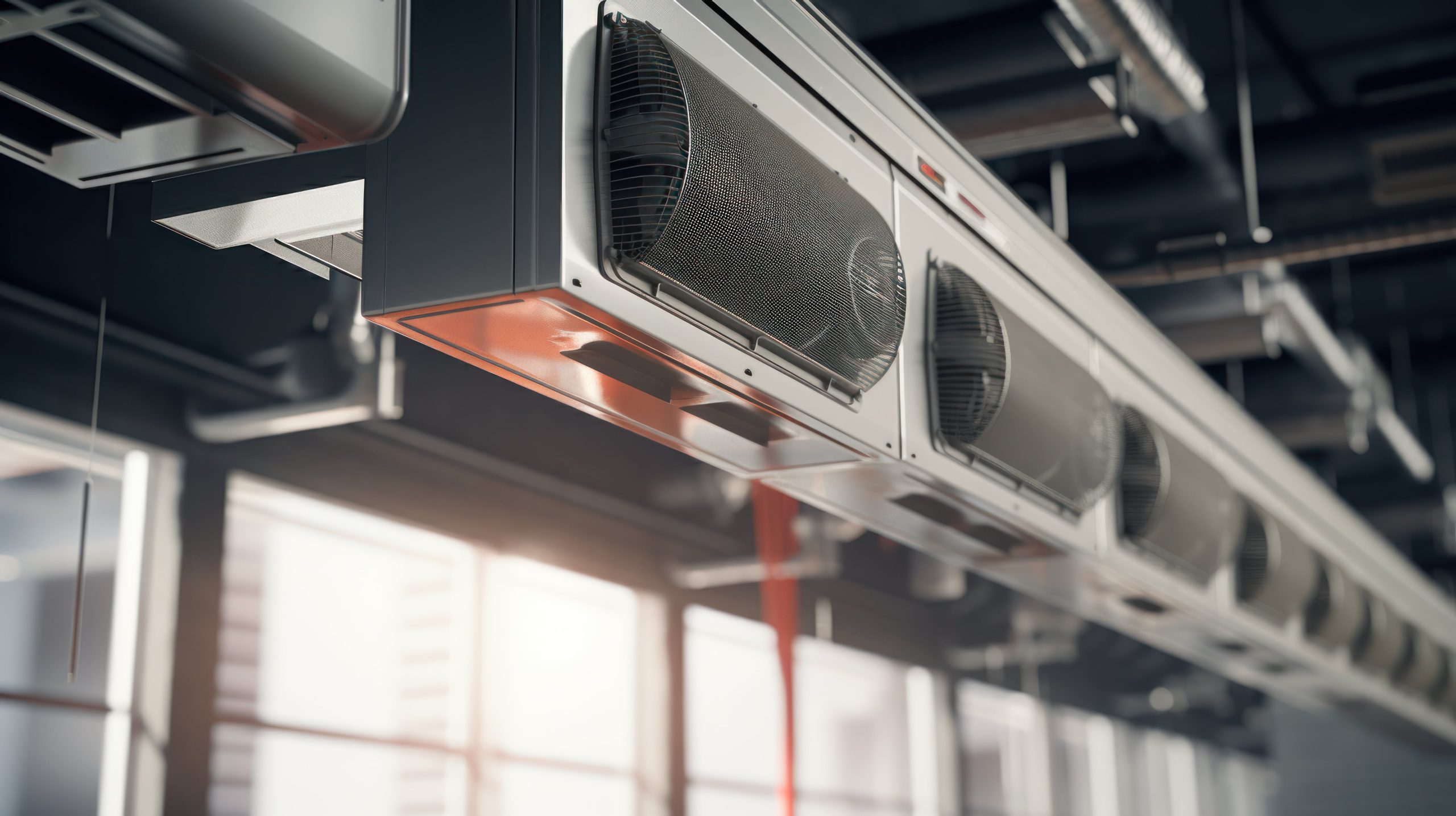
Once smoke enters ductwork, it settles onto metal surfaces, coils, insulation blankets, and any dust already present. It can also migrate into return plenums and blower assemblies. When the system is turned back on weeks or months later, those contaminants can be redistributed throughout the home.
Where Contamination Actually Settles
One of the biggest problems in fire recovery is that testing often focuses on what is easiest to access, not where contamination is most likely to persist.
In reality, smoke and fire residues commonly settle in areas such as:
- Wall voids and chase spaces
- Attic insulation and roof cavities
- Clothing, drapes, and other soft goods
- HVAC interiors, including ductwork and plenums
- High and horizontal surfaces where particles accumulate quietly
- Porous materials such as carpeting, upholstery, and mattresses
These are not just theoretical risks. These are the areas our team most often finds missed in real fire claims.
Many of these locations are excluded from standard insurance inspections. If these areas are not tested for contamination, it is rarely cleaned or addressed. That’s why working with a public insurance adjuster can be beneficial. We help you fight for the full scope of testing, remediation, and compensation to which you’re entitled.
Signs Your HVAC System Was Affected by Smoke
Homeowners often notice subtle changes long before they see visible soot.
Common indicators include a smoke or “burnt” odor when the system runs, darkened or dusty supply vents, and soot accumulation on air filters shortly after replacement.
Not all signs are visible or smell-based. Increased allergy symptoms or respiratory irritation can also indicate that smoke residues remain within the HVAC system and surrounding spaces.
Why Insurance-Led Testing Often Falls Short
After a fire, insurers typically control the scope of testing. In many cases, this results in assessments that are incomplete or misleading.
Common issues Rubin Adjusting sees include:
- Limited wipe sampling on a small number of visible surfaces
- Visual inspections used in place of laboratory testing
- No sampling inside ducts, insulation, or soft goods
- Reliance on restoration contractors rather than independent testing professionals
- Use of odor checks instead of chemical analysis
These approaches may reduce upfront costs, but they frequently fail to capture the full extent of contamination. When testing is incomplete, cleanup is incomplete.
This is especially dangerous after a Wildland-Urban Interface (WUI) fire, where burning vegetation combines with synthetic materials from homes, vehicles, and infrastructure. The resulting smoke is far more chemically complex than smoke from vegetation alone and often includes compounds that standard inspections never evaluate.
HVAC filters offer little protection in these situations. Most smoke particles are far smaller than what typical residential filters can capture and can easily pass through, allowing residues to collect inside the system even when it is not running.
Protecting Your Home and Your Health
In fire claims throughout Los Angeles County, Rubin Adjusting frequently finds that initial testing authorized by insurers misses critical areas. In some cases, a single surface sample in a common area is used to draw conclusions about an entire home.
The HVAC system plays a significant role in how smoke integrates into a property. Even if it was turned off during the fire, it can still become a source of hidden contamination. Without proper testing and documentation, a home may never fully return to safe indoor air quality.
Rubin Adjusting has more than 50 years of experience helping California homeowners navigate complex fire claims. We focus on ensuring that testing reflects how smoke actually behaves, not just the minimal scope insurers may approve.
If your property was affected by a wildfire, structure fire, or Wildland-Urban Interface event, our team can help you understand what needs to be tested and advocate for the full scope of HVAC and smoke contamination to be addressed. Contact Rubin Adjusting to schedule a free consultation and ensure nothing critical is overlooked.