 SKIP TO CONTENT

Fire Sprinkler Went Off? Here’s How to Handle the Damage and Your Insurance Claim
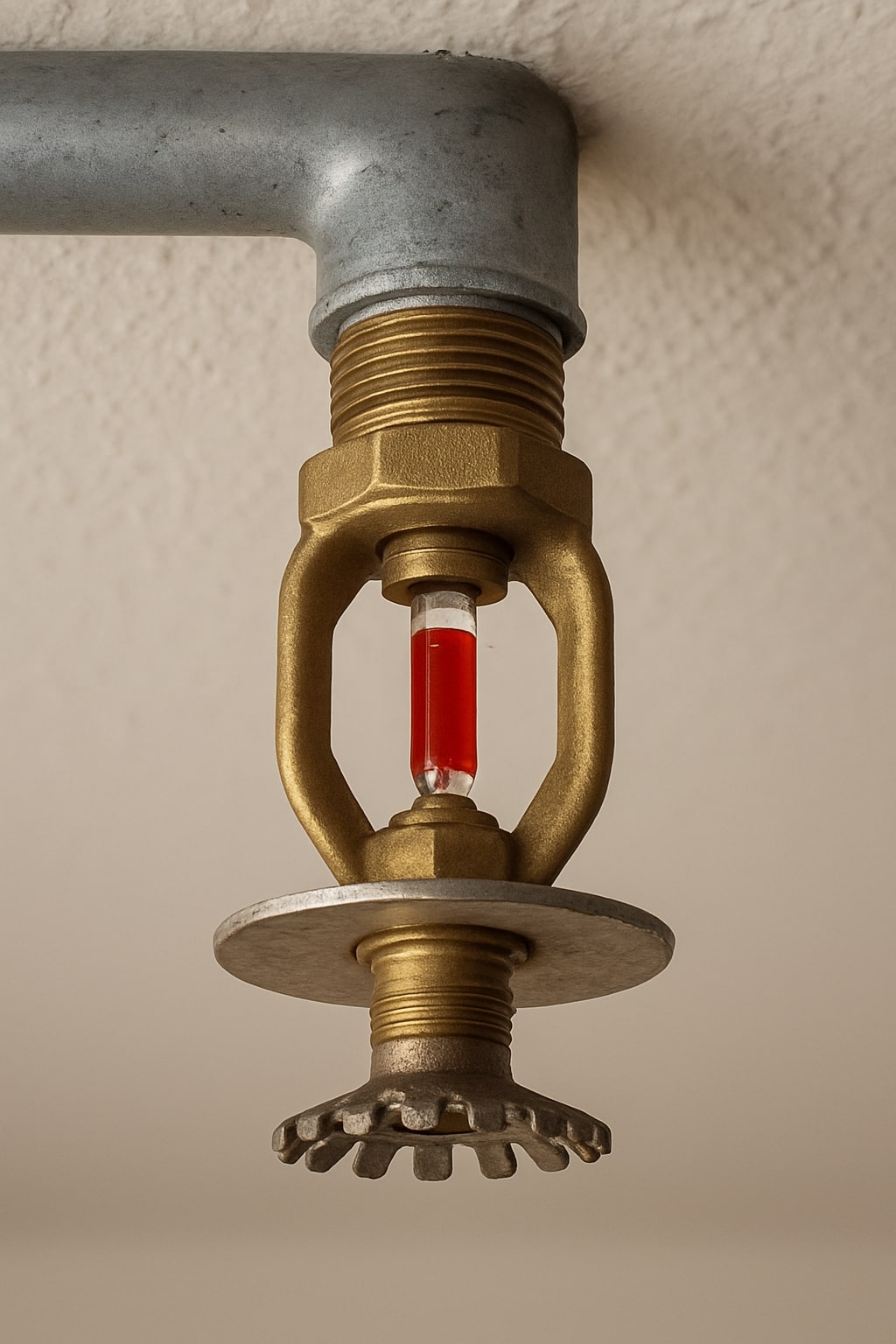
In the seconds after a fire starts, your sprinkler system can save lives and prevent catastrophic losses. But once the flames are out, you’re left with a new challenge: water damage that can be just as disruptive as the fire itself.
Sprinkler systems often leave behind soaked floors, damaged furniture and belongings, and the overwhelming task of restoration. Knowing the different types of sprinkler heads, the restoration process after they go off, and tips for handling insurance claims can make a difficult situation far easier to manage.
What Happens When Sprinklers Activate
When a sprinkler system goes off, it does exactly what it’s designed to do: contain the fire and prevent it from spreading. But in the process, large amounts of water are released into the space, creating new challenges for property owners.
Water doesn’t stay confined to the fire zone. It seeps into walls, ceilings, flooring, and insulation, often weakening the structure and creating ideal conditions for mold growth if not addressed quickly.
Beyond the building itself, sprinkler activation can damage valuable personal property. Electronics, furniture, inventory, and important documents are especially vulnerable to water exposure. Sensitive equipment may require specialized restoration, and in many cases, items need to be replaced altogether.
For commercial properties, there’s also the added burden of downtime. Cleanup and restoration often force a temporary shutdown, which can mean lost productivity and revenue. What starts as an emergency safety measure can quickly evolve into a complex restoration and insurance claim process.
Immediate Steps to Take After Sprinkler Activation
Acting quickly can help reduce long-term damage and strengthen your insurance claim. Property owners should:
- Shut off the sprinkler system once it’s safe to do so.
- Document the damage with photos and videos before cleanup begins.
- Contact a restoration team for water extraction and drying as soon as possible.
- Secure business personal property by moving undamaged items out of affected areas.
- Call a public adjuster to guide you through the insurance process and ensure nothing is overlooked.
Restoration Process After Sprinkler Activation
Professional restoration teams typically follow a step-by-step process to return the property to pre-loss condition. This can include:
- Water Extraction and Drying: Using industrial pumps, fans, and dehumidifiers to remove standing water and thoroughly dry the space.
- Structural Repairs: Replacing or repairing compromised drywall, flooring, insulation, and ceilings.
- Property Recovery: Salvaging and cleaning furniture, electronics, documents, and other items whenever possible.
- Mold and Odor Remediation: Ensuring the property is safe, healthy, and comfortable for occupancy.
Navigating insurance claims after sprinkler activation can be complex. Carriers often undervalue water-damaged property or overlook hidden issues like mold.
That’s where working with a public insurance adjuster can be helpful. They advocate solely for you by evaluating and documenting damage, calculating losses, and negotiating with insurance companies. They can assist you in challenging low estimates, underpayments, and disputes to get fair compensation.
For large-scale commercial losses or high-value equipment, a public adjuster’s expertise can make a significant difference in both claim value and timeline.
Frequently Asked Questions About Fire Sprinkler Water Damage Claims
Does insurance cover water damage from fire sprinklers?
Yes. Most commercial and residential policies cover water damage caused by sprinkler activation, whether due to an actual fire or accidental discharge. The challenge is that insurers may try to minimize payouts, which is why working with a public adjuster is often beneficial.
Can I file an insurance claim if sprinklers go off accidentally?
In most cases, yes. Accidental discharge can still cause extensive water damage. A public adjuster can help you document the incident and ensure the claim is filed correctly.
How much damage can a single sprinkler head cause?
In a single-family home, just one sprinkler head can discharge 15 to 26 gallons of water per minute. In larger buildings, the stakes are even higher. According to the National Fire Sprinkler Association, when a building other than a one- or two-family dwelling is equipped with sprinklers, the minimum fire flow required is 1,000 gallons per minute. At that scale, water damage can spread quickly through multiple levels of a commercial or industrial property.
What should I do immediately after sprinkler activation?
Shut off the system as soon as it’s safe, document the damage with photos or video, and contact a restoration team. Before cleanup begins, it’s smart to consult a public adjuster so nothing is overlooked in your insurance claim.
Why should I hire a public adjuster after sprinkler water damage?
Insurance companies often undervalue water damage claims, especially when hidden issues like mold or structural weakening are involved. A public adjuster works exclusively for you, making sure your claim includes the full scope of sprinkler water damage and that you receive fair compensation.
These are some of the most common questions property owners have after a sprinkler system activates, but every situation is unique. Once the immediate damage is addressed, the next step is making sure your insurance claim covers the full cost of restoration.
Rubin Adjusting has over 50 years of experience helping property owners recover after fire and water damage. We fight to ensure your claim reflects the full scope of your losses. Contact us today to schedule a free consultation.