 SKIP TO CONTENT
Toxic Aftermath: What Homeowners Should Know About Environmental Hazards After a Fire
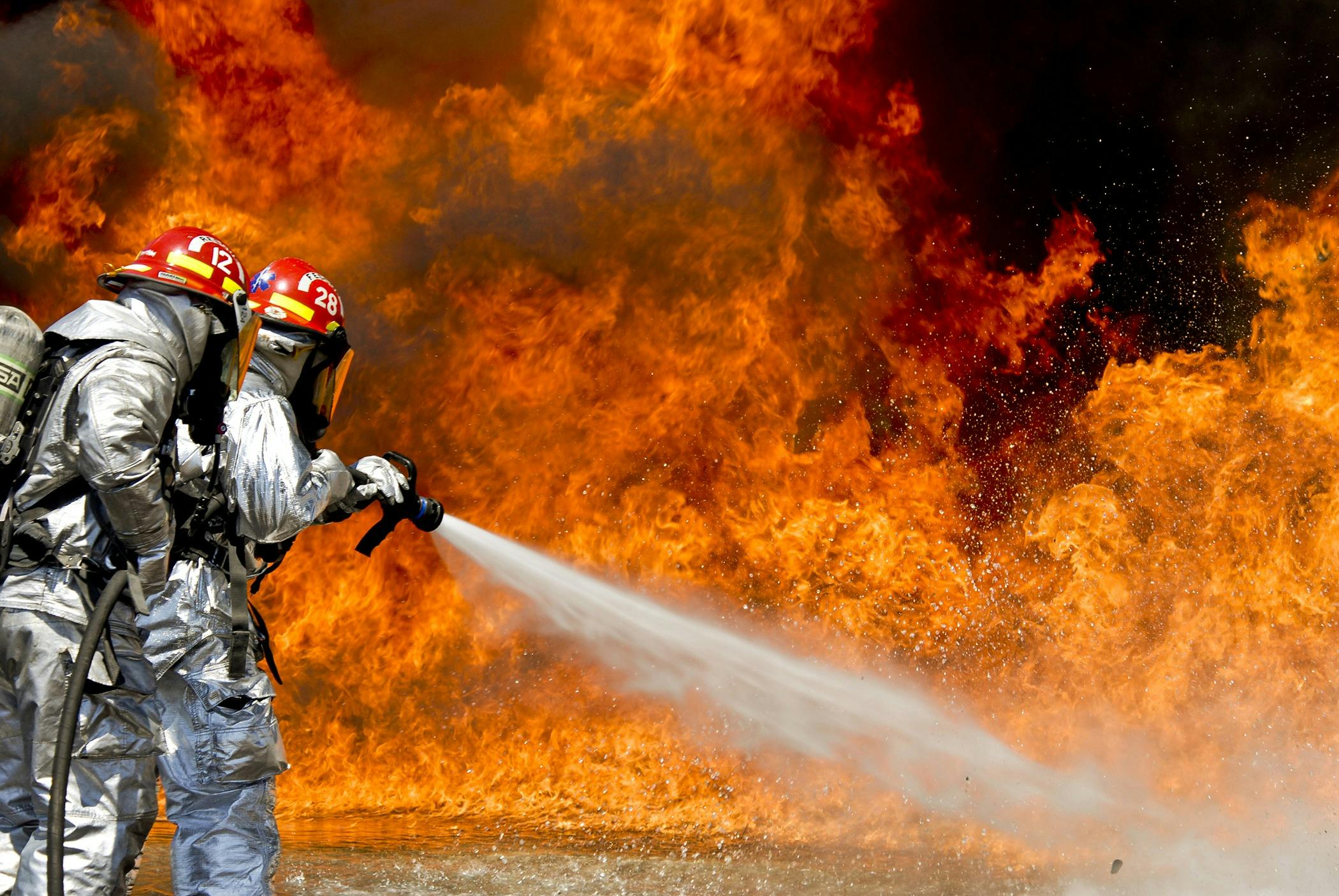
When a fire rips through your home, the most immediate concerns are obvious: damage, loss, and safety. But even after the flames are out, the danger isn’t over.
Fires leave behind more than charred walls. They can create serious environmental hazards that linger long after the smoke clears.
If you’re a homeowner recovering from a fire, it’s critical to understand the hidden risks that come with it. This can help you as you file your insurance claim and create a full picture for your insurance carrier of the full extent of the damages that ensued.
The Toxic Truth About Fire Damage
Fire doesn’t just destroy what it touches. It can also release harmful chemicals into the air, settle toxins into surfaces, and damage your property in ways that aren’t always visible.
Here are a few examples of what may be left behind:
- Smoke and soot: These microscopic particles can spread far beyond the burn zone, coating walls, furniture, HVAC systems, and personal belongings. They’re not just dirty—they can be toxic and corrosive.
- Melted plastic and synthetic materials: Burning vinyl, insulation, and electronics can release dangerous compounds like dioxins and volatile organic compounds (VOCs).
- Water and mold: The water used to extinguish the fire can create a perfect breeding ground for mold, especially if cleanup is delayed.
- Asbestos and lead: If your home is older, the fire may have disturbed asbestos-containing materials or lead paint, adding another layer of risk during cleanup.
These hazards pose real health threats and can significantly affect your home’s safety and value. That’s why environmental testing and professional remediation are often necessary parts of fire recovery.
What Insurance Should Cover
Insurance policies don’t always account for the full scope of environmental damage that happens after a fire. Some common issues we see include:
- Denials or limits on coverage for smoke damage outside the main burn area
- Underestimating the cost of professional cleaning or decontamination
- Refusal to cover HVAC system replacements contaminated with soot
- Ignoring potential mold growth caused by water damage during firefighting efforts
Insurance companies may try to downplay these costs or exclude them from your payout altogether. But the reality is: properly addressing these environmental hazards is essential to making your home livable and safe again.
Why Homeowners Need to Be Their Own Advocates
After a fire, most homeowners are overwhelmed—and understandably so. But this is exactly when mistakes are most likely to happen.
Without a detailed inspection, damage from smoke, toxins, or mold may go unnoticed until it becomes a bigger (and more expensive) issue down the line. And once you’ve accepted a low payout, it becomes harder to reopen the claim or ask for more.
That’s why it’s so important to work with professionals who understand the true scope of fire-related damage—and know how to fight for the coverage you’re owed.
You Don’t Have to Do This Alone
At Rubin Adjusting, we’ve seen firsthand how devastating a fire can be—and how insurance companies often fall short when it comes to covering the full cost of recovery.
If your home has been damaged by fire and you’re stuck in a dispute with your insurance provider, you don’t have to figure it out alone. Let Rubin Adjusting be your advocate.