 SKIP TO CONTENT
A Guide to Assessing Fire and Smoke Damage
Not all fire damage is the same. The severity of contamination can significantly impact the methods required for cleaning and the overall cost of remediation. Whether your property has minor smoke stains or extensive structural damage, understanding the level of fire and smoke damage is key to restoring your home and filing a successful claim.
This guide explores how to assess different levels of smoke damage—light, moderate, and severe—and provides actionable steps to help you rebuild, ensure safety, and get the proper coverage from your insurance provider.
Light Smoke Damage
Light smoke damage typically results from minor incidents, such as a small kitchen fire or distant wildfire smoke infiltration. While the damage may seem minimal, addressing it promptly is crucial to prevent further issues.
Steps to Address Light Smoke Damage:
- Assessment and Documentation: Start by recording visible signs of damage, such as smoke residue, light soot, or discoloration on surfaces. Proper documentation is vital for justifying any cleaning-related expenses in your smoke damage insurance claims.
- Ventilation and Air Purification: Improve indoor air quality by opening windows, running fans, and using portable air purifiers equipped with HEPA filters to remove residual smoke particles.
- Surface Cleaning: Use mild detergents, chemical sponges, or cleaning cloths to gently clean walls, ceilings, and furniture. These basic solutions help remove smoke residues without damaging delicate surfaces.
- Odor Control: Eliminate lingering odors with mild deodorizing agents or smoke-absorbing products. These steps ensure your living space is fresh and safe.
Moderate Smoke Damage
Moderate smoke damage often occurs after prolonged exposure to smoke or a contained fire. This level of damage requires more intensive remediation techniques to fully restore the property.
Steps to Address Moderate Smoke Damage:
- Comprehensive Inspection: Knowing the extent of the damage is key to effective remediation. You can use tools like digital particle counters and infrared cameras to identify affected areas and detect hidden contamination. In moderate to severe instances, it may be necessary to hire a public insurance adjuster to help complete an inspection.
- Soot and Residue Removal: Specialized sponges and HEPA vacuums can remove soot and residue from walls, floors, and furniture, minimizing the risk of further contamination.
- Sealing Porous Surfaces: Smoke residue can penetrate materials like drywall. Applying sealants can help lock in contaminants and prevent odors from resurfacing.
- Advanced Odor Neutralization: Consider ozone or hydroxyl generators to neutralize stubborn odors. Conduct air quality tests afterward to ensure that smoke particles are no longer present.
Severe Smoke Damage
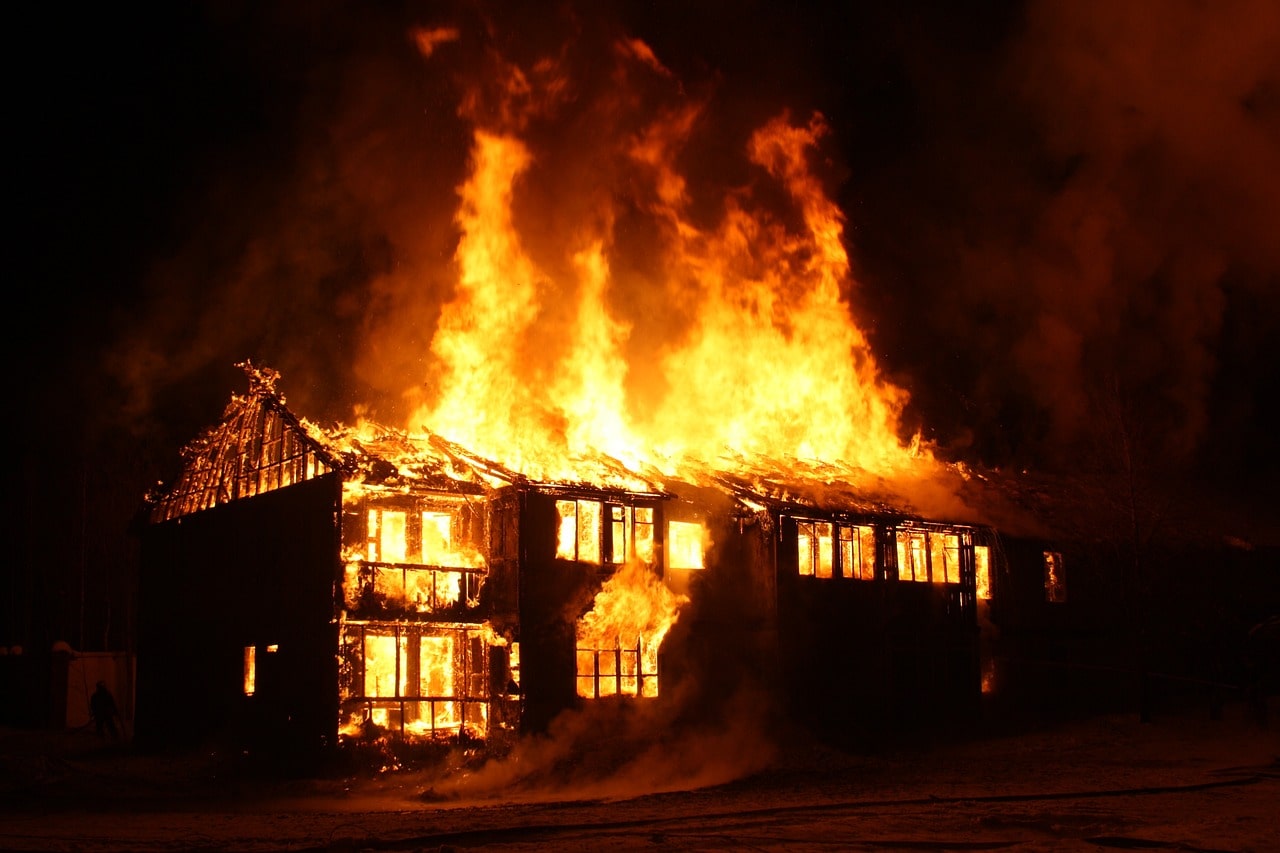
Severe smoke damage often results from significant house fires or nearby wildfires. This level of damage usually requires extensive remediation and may involve demolition, decontamination, and reconstruction to fully restore the property.
Steps to Address Severe Smoke Damage:
- Structural Assessment and Documentation: Engage professionals to assess the remaining structural integrity of the house. For example, a public insurance adjuster can help you document the damage in a way that will support a smoke damage insurance claim.
- Demolition of Non-Salvageable Materials: Remove contaminated materials like drywall, insulation, and carpeting. This can help prevent contaminated materials from causing further issues.
- Industrial-Grade Cleaning: Use industrial HEPA vacuums, air scrubbers, and negative air machines to thoroughly clean exposed areas and improve air quality.
- Decontamination and Sanitization: Apply antimicrobial treatments to remove toxic particles absorbed into surfaces. This step is critical for ensuring a safe environment.
- Comprehensive Reconstruction: Rebuild the damaged areas, replacing drywall, flooring, and insulation. This process restores your property to its pre-damage condition, making it safe and habitable once more.
Why Hire a Public Adjuster?
Navigating the complexities of smoke damage insurance claims can be overwhelming. This is where a public adjuster can make a significant difference.
Public adjusters work as advocates for property owners, ensuring you get the maximum coverage allowed under your policy. From documenting damage to negotiating with your insurance provider, their expertise simplifies the claims process and ensures you’re not left bearing unnecessary costs.
Taking Action After Fire and Smoke Damage
Fire and smoke damage can vary greatly in severity. Addressing it requires tailored strategies based on the level of contamination. Regardless of whether you are facing light smoke damage, moderate issues, or severe destruction, knowing how to begin the recovery process is crucial.
At Rubin Adjusting, we specialize in helping homeowners and business owners recover from fire and smoke damage. Our team brings decades of experience and a sophisticated approach to ensure our clients receive the full coverage they’re entitled to. Contact us today to get expert assistance with smoke damage insurance claims and begin your journey toward restoration.