 SKIP TO CONTENT

7 Ways to Prepare for California’s Storm Season Before It Hits Full Force
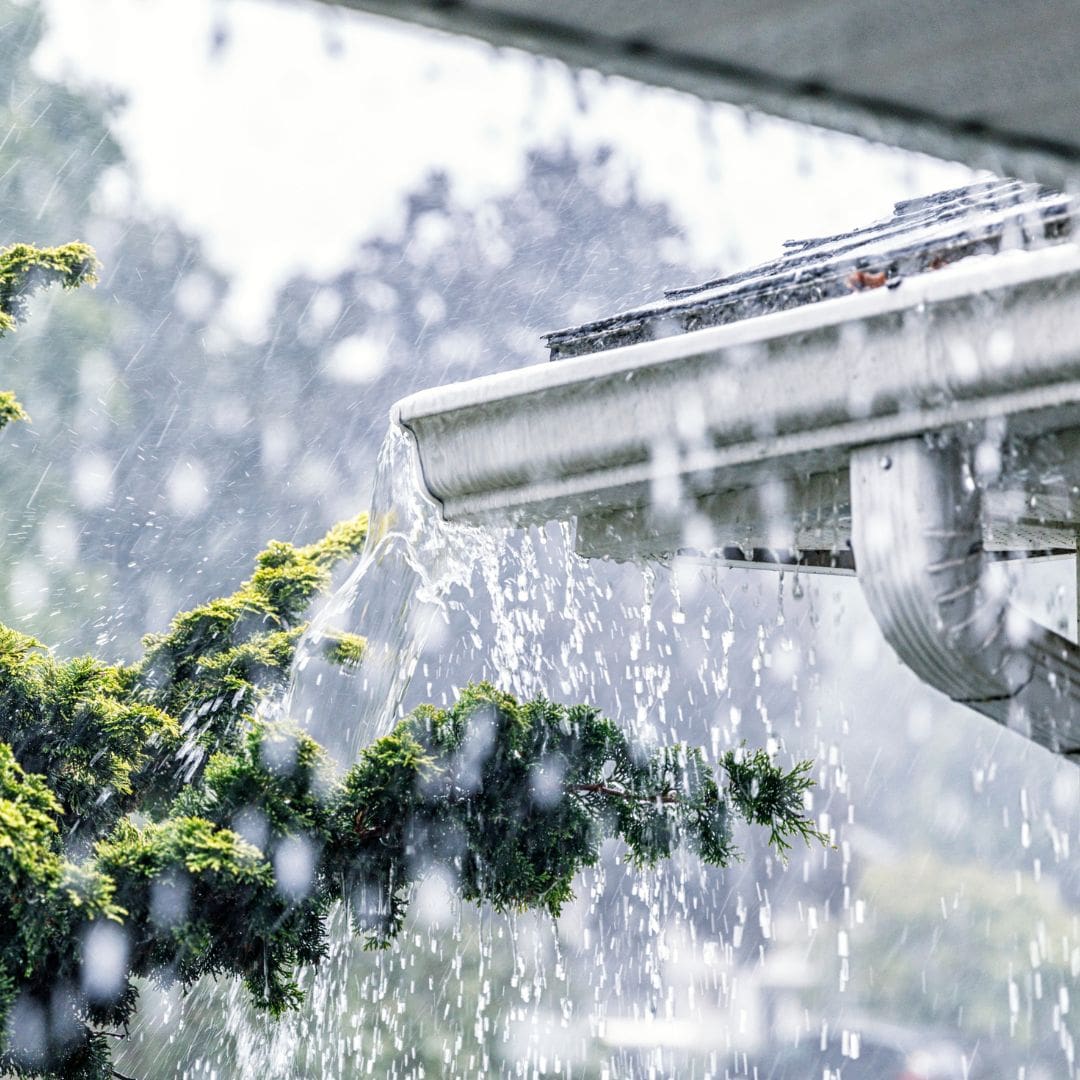
From the Bay Area to Los Angeles, this season’s forecast is shaping up to be another active storm cycle. With heavy rain and flooding expected, now is the perfect time to make sure your home is ready.
Taking a few simple steps now can help protect your property, prevent costly damage, and make the insurance process much easier if you ever need to file a claim.
Here are seven practical ways to get your home ready before the next big storm hits.
1. Inspect Your Roof and Gutters
Your roof is your home’s first defense against heavy rain and wind, but it’s also one of the most common sources of storm-related insurance claims.
Picture this: a few leaves clog a downspout, rain backs up under the shingles, and by morning, you’re dealing with ceiling stains and soggy insulation.
Before the season intensifies:
- Inspect your roof for missing shingles, cracked flashing, or damaged seals
- Clear out gutters and downspouts so water can flow freely
- Trim overhanging branches to prevent debris buildup or impact damage during high winds
Small roof leaks often go unnoticed until drywall or insulation is soaked. Documenting your roof’s condition now can make post-storm claims much easier to verify.
2. Seal Windows, Doors, and Other Openings
Even a small gap in a window frame can let in rain and lead to mold, rot, or peeling paint. Walk around your property and check seals around windows, doors, and siding for cracks or weathered caulk.
If your house is located in a coastal or hillside area, consider installing storm shutters or reinforced glass for extra protection. Preventing water intrusion now is far easier than addressing interior damage later.
3. Check Drains and Property Grading
When storms hit, drainage issues are one of the first causes of flooding. Make sure your yard, driveway, and foundation drains are clear, and verify that water flows away from your home.
California homes, especially older ones, aren’t always designed for prolonged downpours. When rainwater collects around the base of your home instead of draining away, it can seep into crawl spaces or foundations and cause structural damage or mold growth.
4. Secure Outdoor Structures and Equipment
High winds can turn unsecured items into projectiles. Anchor or store patio furniture, umbrellas, grills, and planters indoors. Make sure HVAC units, pool pumps, and solar panel mounts are protected with covers or fasteners.
Not only can these items cause secondary damage to your property, but they can also create neighbor liability if debris damages nearby homes.
Once your property is secured, your focus should shift to what you’d need if power or access is lost during a major storm.
5. Create a Home Emergency Kit
Power outages and road closures are common during California’s storm season. Prepare an emergency kit with:
- Flashlights, extra batteries, and a portable charger
- Bottled water and non-perishable food
- First-aid supplies and medications
- Copies of important documents (like your insurance policy) in a waterproof folder
Bonus tip: Keep Rubin Adjusting’s contact information in your emergency folder so you can reach us quickly if your property is damaged.
6. Review Your Insurance Coverage
Many homeowners assume that all storm damage is covered, but flooding (from rising water or oversaturated soil) may require separate flood insurance. Review your policy for terms related to wind-driven rain, roof leaks, and water intrusion.
Sometimes claims get delayed because homeowners report “flooding,” when in reality, the cause was wind-driven rain. This is a distinction that matters when determining coverage. If you’re unsure about your policy, a licensed public adjuster can review it with you and explain how coverage applies before damage occurs.
7. Document Your Property Before the Storms Hit
If you ever need to file a claim, documentation is your strongest evidence. Take photos and videos of your home’s exterior, roof, interior, and any valuables. Store them in the cloud or on a secure drive so they’re safe if your devices are damaged.
This record can make the difference between a fast, fair claim and a lengthy dispute. Adjusters rely heavily on pre-loss photos when assessing damage. The more detail you can show, the stronger your case will be.
What to Do Next After a Storm
If your home or business is affected by a storm, don’t rush to clean up before documenting the damage.
Take clear photos and videos of everything, even temporary damage or debris. Save receipts for emergency repairs or materials (like tarps or plywood), as these may be reimbursable. Avoid signing long-term repair contracts until your insurer or a public adjuster has reviewed the loss.
Consider creating a personal property inventory. These are lists of all items that were lost or damaged in the storm, along with specific details like age, condition, estimated value, and proof of ownership.
Once you’ve documented the damage, contact Rubin Adjusting. We’ll help you understand your coverage, estimate the true cost of repairs, and ensure your claim is handled fairly from start to finish.
Preparation won’t prevent every loss, but it can protect your peace of mind and your right to a fair recovery. By acting now, you could reduce the risk of major damage and ensure you’re ready if the worst happens.
Rubin Adjusting is here to stand by your side, advocate for your claim, and help you rebuild with confidence. If your home or business experiences storm damage this winter, contact our team for a free consultation.